Context-Specific Use of Prosopis juliflora in Riyadh
Alexandra von Bieler
Rethinking “Invasive”?
Executive Summary
The classification of Prosopis juliflora as an invasive species in global and regional plant lists should not automatically justify its exclusion from urban planting strategies in Riyadh. Over more than 50 years of observed use, there is no substantive evidence of invasive behaviour under local environmental conditions.
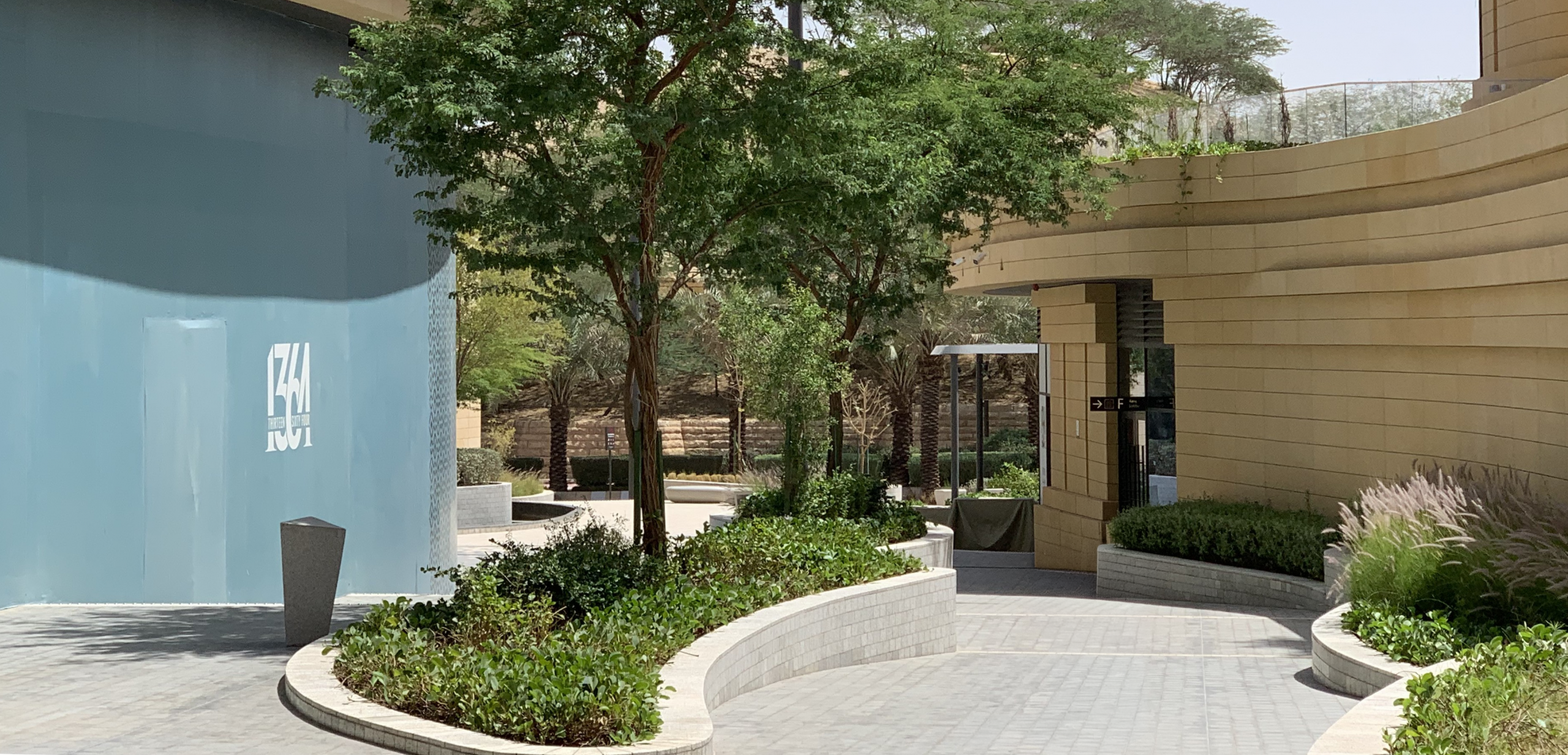
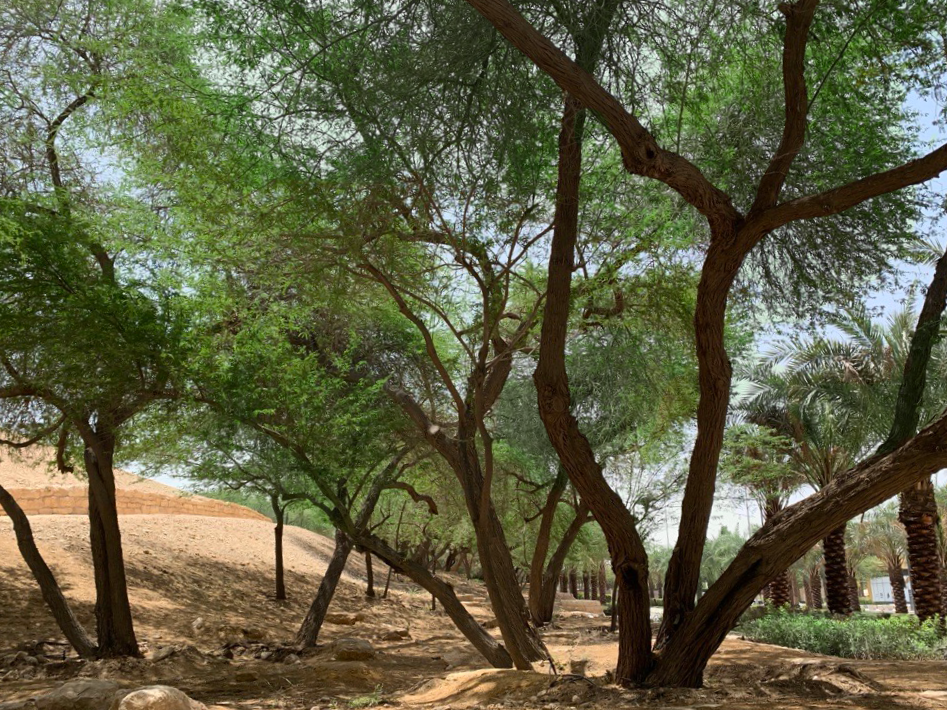
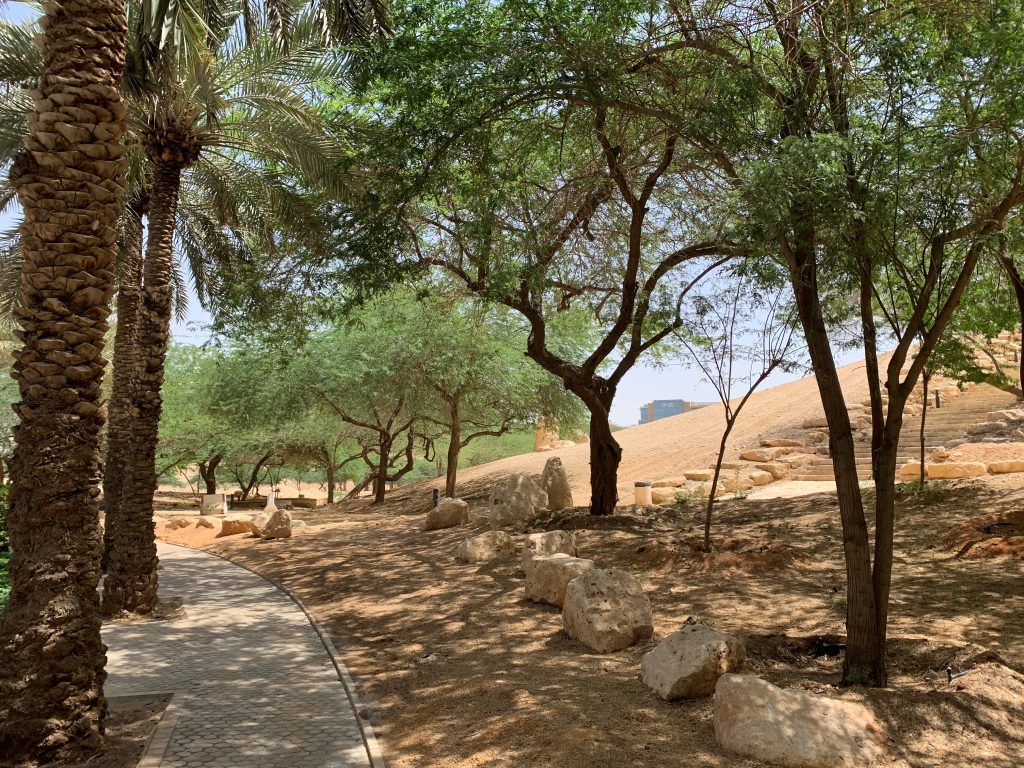
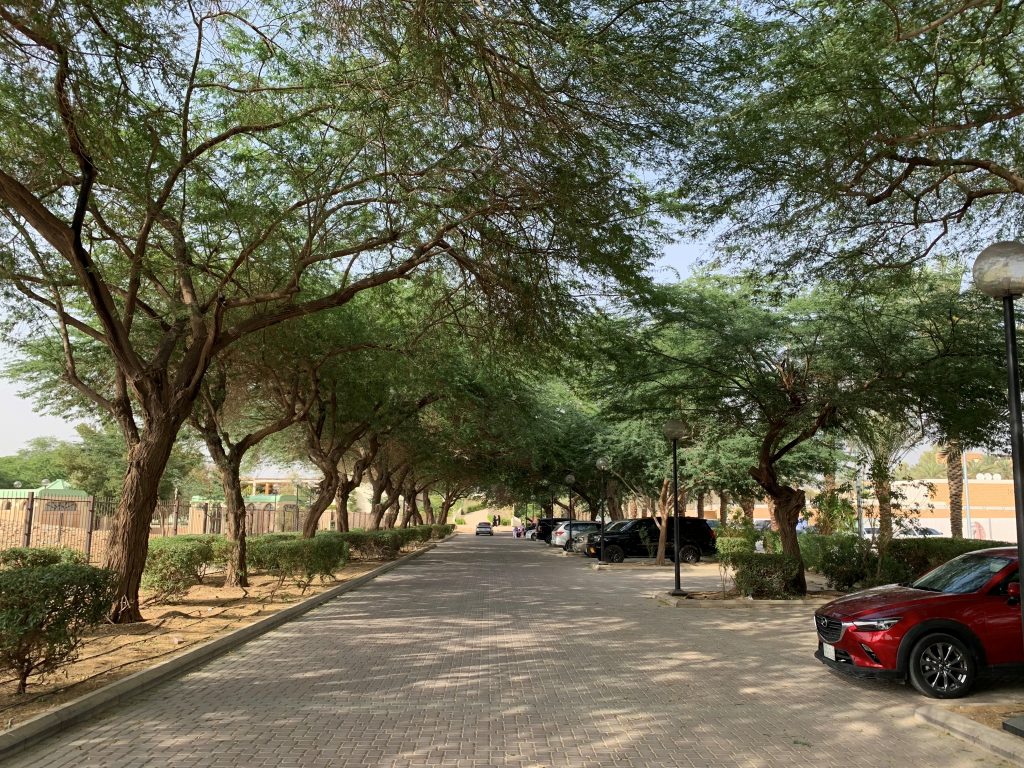
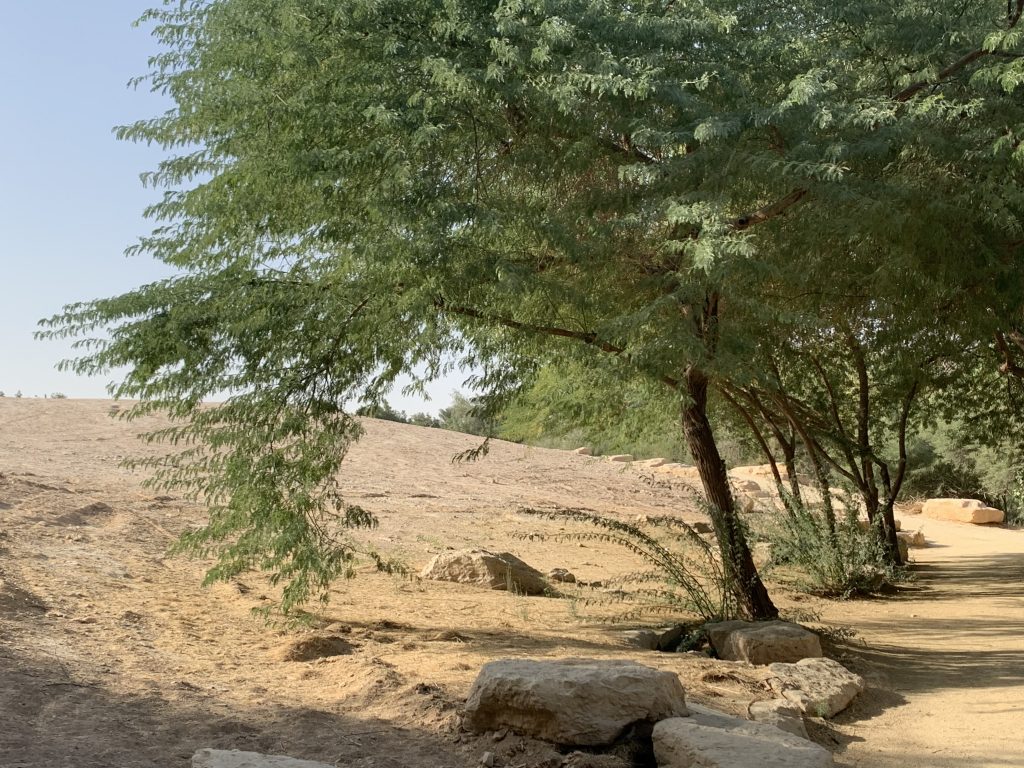
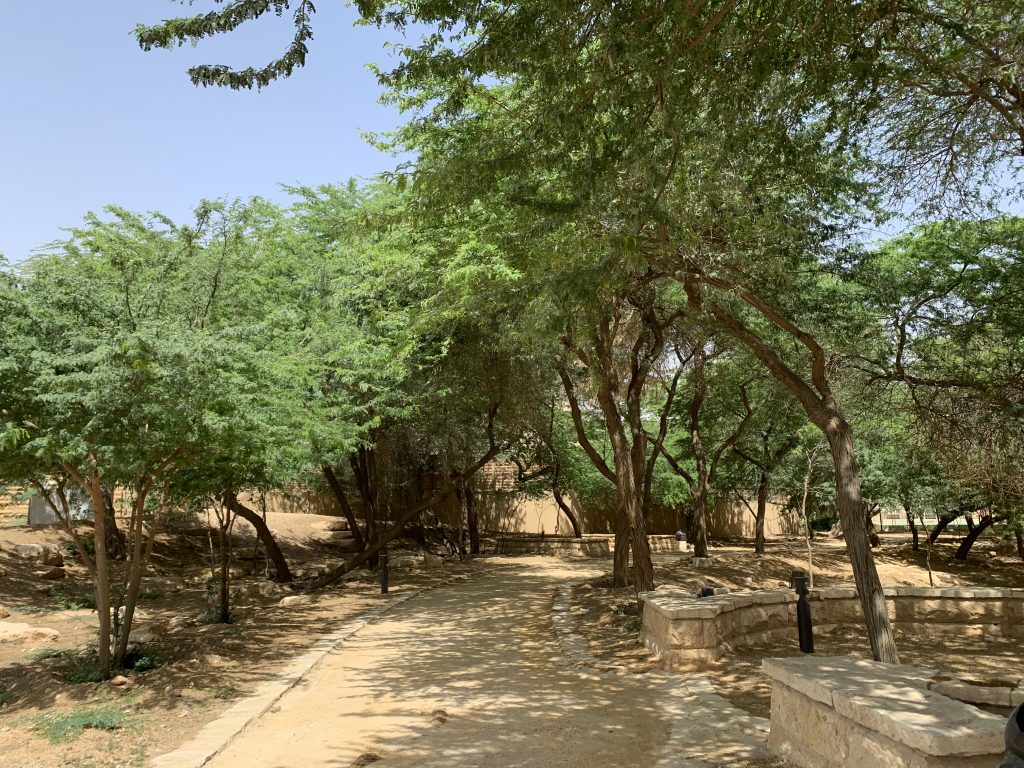
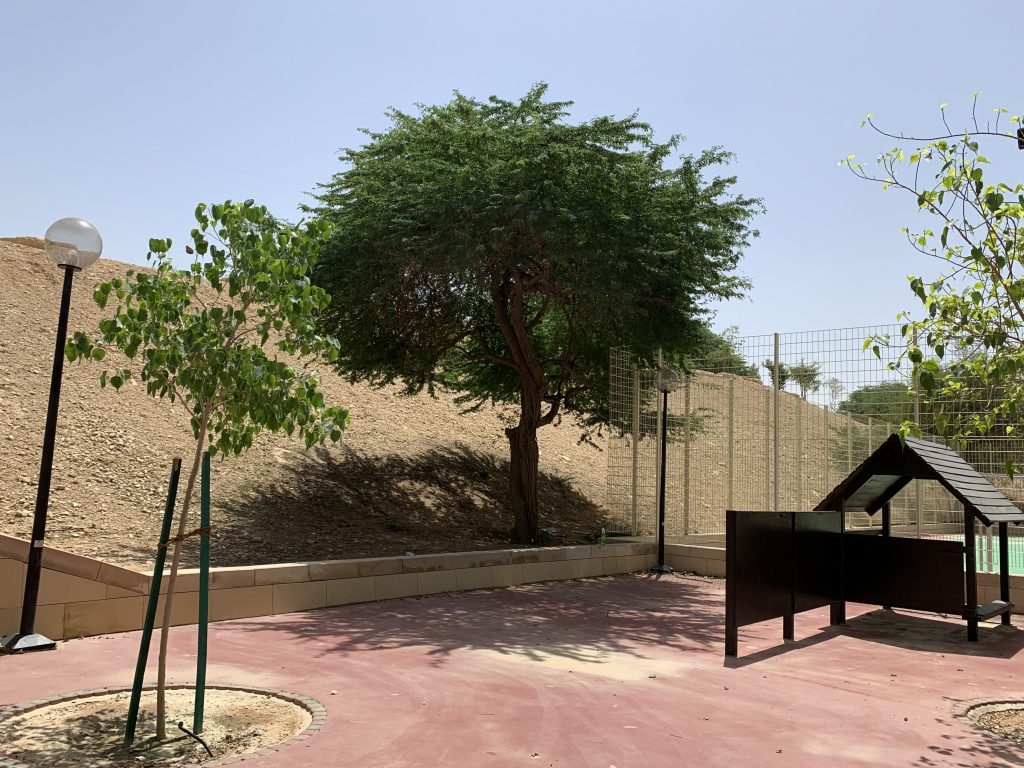
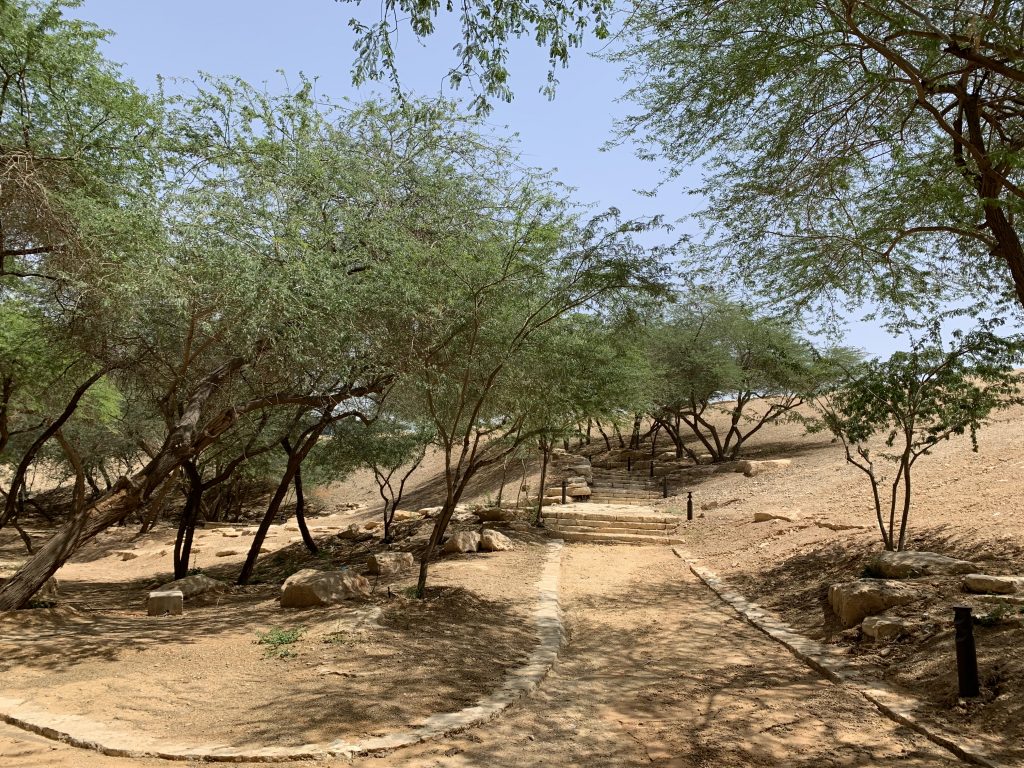
From the seventies of the last century Prosopis juliflora had been planted in various locations in Riyadh from the city centre (parks and gardens), next to roads (King Fahad Road e.g.), Diplomatic Quarter (Parks and extensive green of the earth berm), Wadi Hanifah (the urban part and there also to try establishing trees in highly disturbed areas and high-water level). Even in Wadi Hanifah there is no evidence at all of any sign of invasive behaviour.
In comparison to Acacias (Vachellias) Prosopis’ canopy is dense and wide, the foliage is greener and the thorns are small. With proper and professional pruning, the canopy is steady and stable. So next to its other values such as resistance against heat and providing shade, its appearance is also appealing.
The number of trees suitable for the hyper harsh and arid climate of Riyadh city is quite limited. Therefore a context-specific policy approach is recommended, allowing controlled use of this species where it demonstrably contributes to urban resilience, environmental quality, and public wellbeing.
1. Background
Prosopis juliflora is widely recognized as invasive in certain regions of the world, particularly where climatic and ecological conditions support rapid spread. As a result, it is frequently included in precautionary “blacklists.”
However, such classifications are typically based on global or regional risk assessments, which may not reflect site-specific ecological realities, particularly in hyper-arid environments such as Riyadh.
2. Local Evidence from Riyadh
Empirical observation over approximately five decades indicates that:
The species has been confined to planted locations within the urban fabric
No meaningful natural spread or colonization has been observed, even in proximity to water bodies such as Wadi Hanifah
The tree performs reliably under extreme arid conditions, contributing to:
Urban shading
Reduction of heat island effects
Improvement of air quality
Enhancement of public green spaces
This long-term, real-world performance strongly suggests that Prosopis juliflora does not exhibit invasive characteristics in Riyadh’s environmental context.
3. Environmental and Urban Value
In a harsh desert climate, species capable of thriving with limited water and high temperatures are essential. Prosopis juliflora offers:
Dense, persistent canopy providing effective shade and thermal comfort
High tolerance to drought and poor soils
Contribution to urban liveability and wellbeing
Support for expanding green infrastructure in a resource-constrained environment
Excluding such a species without locally relevant evidence may unnecessarily limit the palette of viable urban trees.
4. Risk Assessment Considerations
The precautionary principle should be applied proportionately. In the case of Riyadh:
Key drivers of invasiveness observed elsewhere (e.g., seasonal rainfall, dispersal mechanisms) appear to be absent or limited
Over 50 years of exposure have not resulted in detectable ecological spread
The risk of invasion under current conditions can therefore be considered low based on available evidence
5. Management Considerations
Observed challenges related to Prosopis juliflora are primarily management-related, not ecological:
Excessive or improper pruning can destabilize tree structure and increase branch failure risk
Appropriate arboricultural practices can effectively mitigate these issues
This reinforces that the species can be safely integrated when properly managed.
6. Policy Recommendation
Rather than a blanket prohibition, the following approach is recommended:
Conditional Approval Permit the continued use of Prosopis juliflora in defined urban contexts within Riyadh
Monitoring Framework Establish periodic ecological monitoring to detect any signs of:
Natural regeneration outside planted areas
Unexpected spread patterns
Management Guidelines Implement best-practice standards for pruning and maintenance
Site-Specific Evaluation Restrict or reassess use only in locations where environmental conditions may change (e.g., newly irrigated natural corridors)
7. Conclusion
A uniform classification of Prosopis juliflora as invasive does not adequately reflect its documented behaviour in Riyadh. Policy decisions should be guided by local evidence and long-term observation, not solely by external classifications.
Maintaining access to resilient, high-performing species is critical in arid urban environments. A balanced, evidence-based approach will better serve both ecological integrity and the wellbeing of Riyadh’s residents.
You are currently viewing a placeholder content from Facebook. To access the actual content, click the button below. Please note that doing so will share data with third-party providers.