
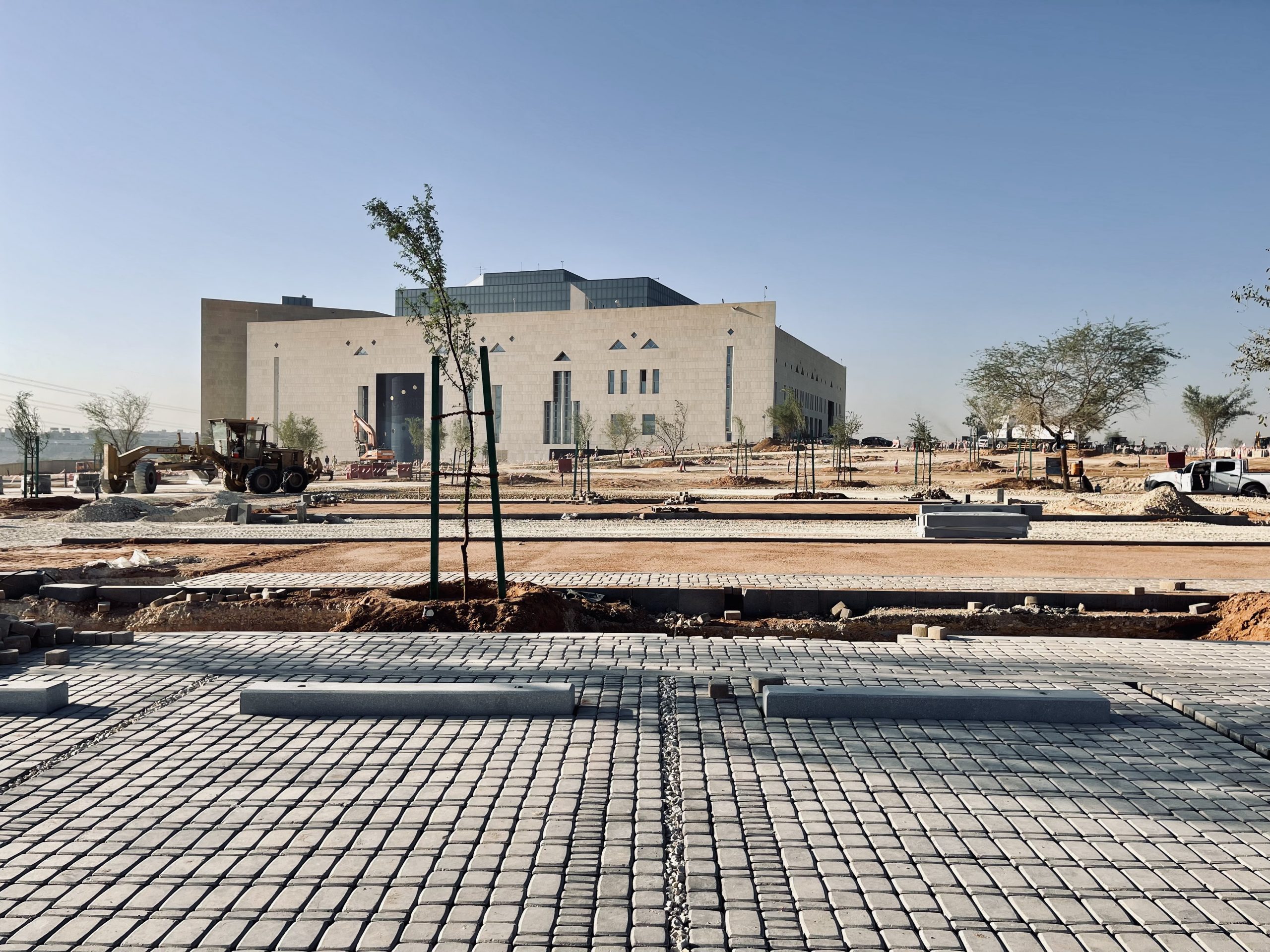
A Shared Vision
Across southern Europe — from Spain’s plazas to Italy’s piazzas, from France’s boulevards to Greece’s courtyards — as well as around the world, designers are embracing the circular economy. The European Union’s sustainability strategy calls for reuse and recycling of building materials, preservation of natural resources, and protection of cultural heritage.
In Riyadh, a parallel story is unfolding. Bödeker Landscape Architecture’s work — from the reimagining of the King Fadh Culture Centre, to the master plans of the Diplomatic Quarter and King Salman Park, the ecological restoration of Wadi Hanifa, and many other projects — embodies these same principles: recycling materials, preserving trees, protecting soil, and reviving underutilized spaces. Aligned with Saudi Arabia’s Vision 2030 and the Saudi Green Initiative (SGI), these projects demonstrate how shared values of sustainability connect regions as diverse as the Mediterranean and the Arabian Peninsula.
Recycling as Renewal
Riyadh’s landscapes are layered with history, yet many sites had become fragmented or underutilized. Bödeker’s approach is to see opportunity where others might see waste — to repurpose, refresh, and reconnect each site’s legacy with its future.
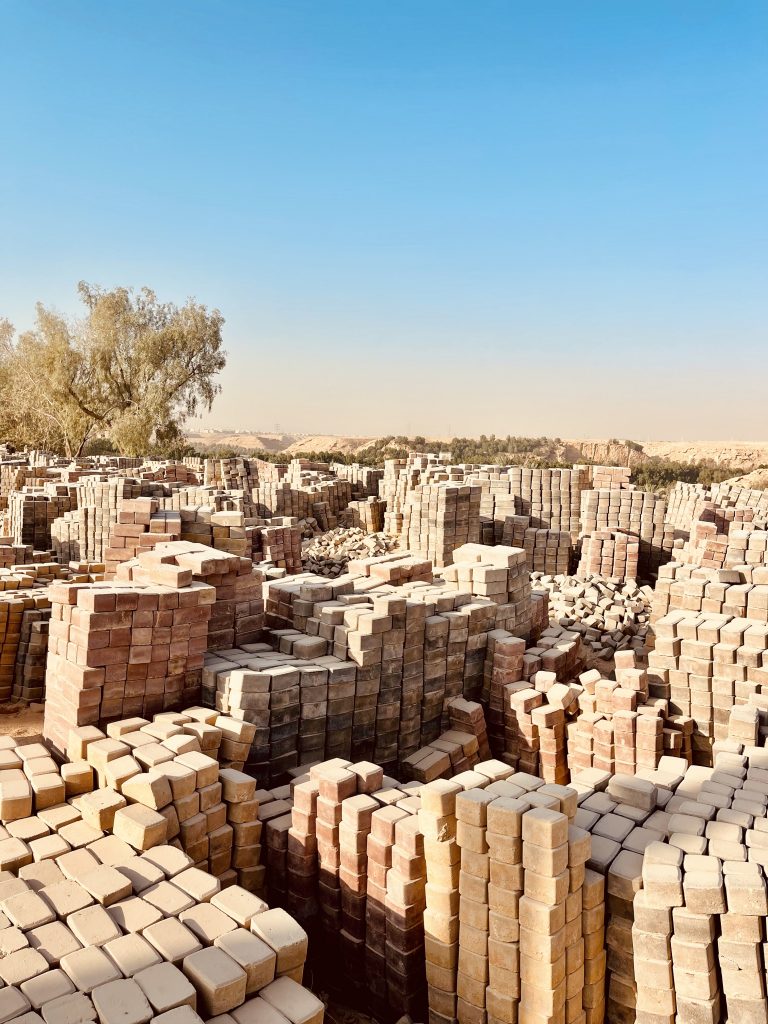
Together, these strategies create landscapes that feel renewed yet deeply connected to their origins, and Bödeker has been at the forefront of this ethic for decades.
Sustainability as Storytelling
These projects are not just about recycling materials. They are about recycling meaning. Just as buildings and public spaces are revived as cultural icons, the pavers, trees, boulders, and soil tell parallel stories of renewal.
Connecting to Circular Economy Goals
The EU’s Circular Economy Action Plan emphasizes reuse and recycling in construction to cut embodied carbon and protect resources. Bödeker’s Riyadh projects mirror these goals:
These stories resonate with ongoing efforts to integrate circularity into heritage sites, public spaces, and landscapes where stone, soil, and trees are part of cultural identity.
Aligning with Saudi Vision 2030 and the Saudi Green Initiative
Saudi Arabia’s Vision 2030 and Saudi Green Initiative place sustainability at the heart of national development. The Circular Carbon Economy (CCE) framework — Reduce, Reuse, Recycle, Remove — echoes the EU’s “R strategies.”
Bödeker’s projects contribute to these goals by:
Beautiful Landscapes Rooted in Renewal
From parks to public plazas, from cultural centres to ecological corridors, Bödeker’s Riyadh projects are more than functional beautiful spaces. They are part of a broader rebirth of the city’s landscape. Visitors encounter environments that feel fresh and forward-thinking yet meaningfully echo the past. These projects demonstrate that recycling can restore vibrancy — whether it’s an edifice, a tree, or the ground itself.
A Shared Path Forward
From Riyadh to Rome, from Jeddah to Athens, the message is clear: sustainability is a shared language. Bödeker’s work shows how circular economy principles can be applied creatively in landscape architecture, bridging regions and cultures.
Recycling and repurposing is not compromise. It is creativity. And in the Middle East and around the world, it is the foundation of a more resilient future.

You are currently viewing a placeholder content from Facebook. To access the actual content, click the button below. Please note that doing so will share data with third-party providers.
More Information