Flora & Biodiversity – The Ecological Palette of KFCC
Reem Bakir
Alexandra Von Bieler
Caesalpinia pulcherrima
The vibrant blooms of Caesalpinia pulcherrima emerge within the King Fahad Cultural Center’s diverse ecological planting palette
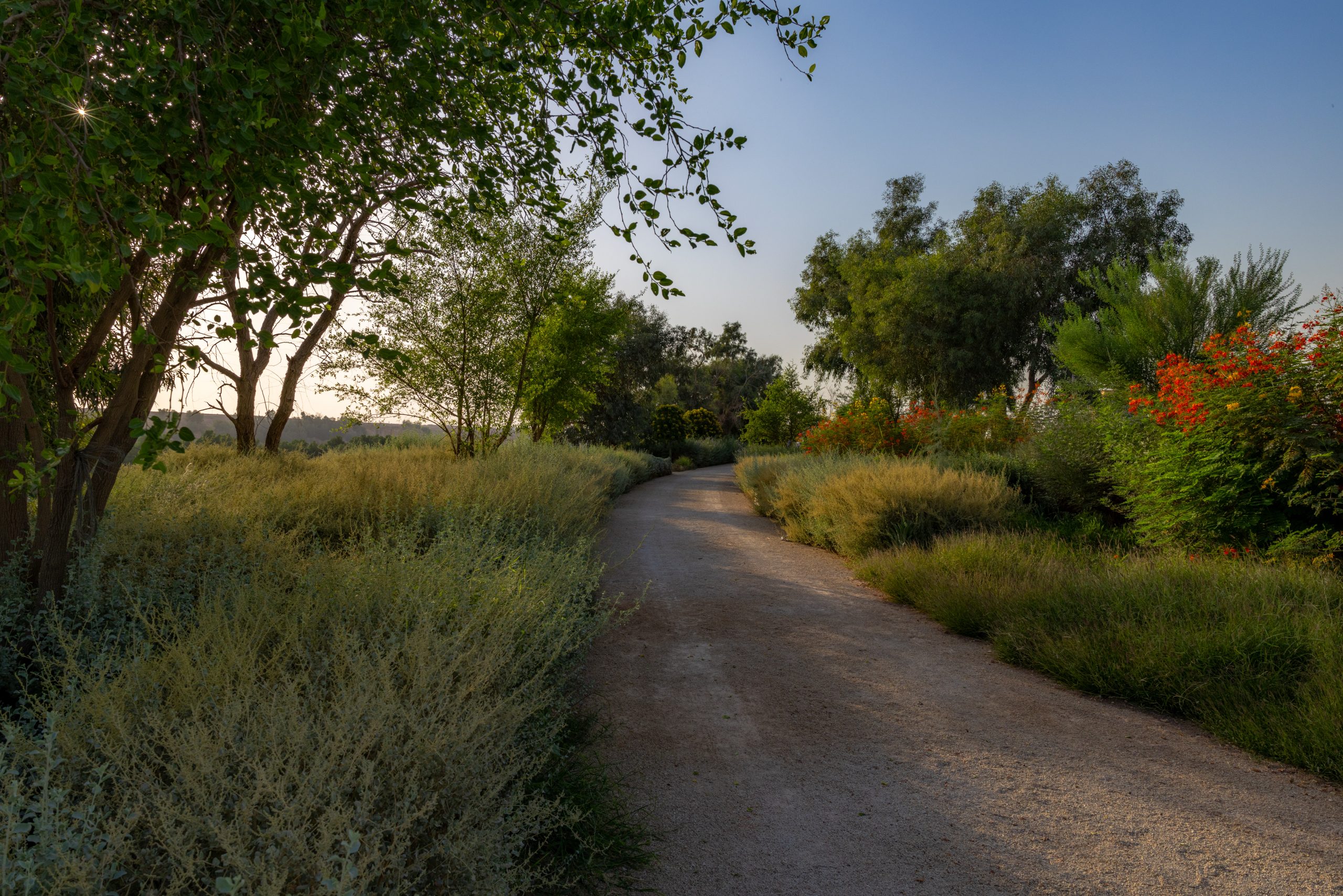
A Living landscape
At the King fahad Cultural Center, biodiversity is a design driver.
This intention shaped every decision, from reducing irrigation to expanding plant variety.
The vibrant blooms of Caesalpinia pulcherrima complement shaded outdoor spaces at KFCC
Caesalpinia pulcherrima (The Peacock Flower)
Among KFCC’s diverse planting palette, Caesalpinia pulcherrima, known locally as zahrat al-tawose, offers one of the site’s most striking moments of color. The name translates as “peacock flower,” a name that European colonists also independently arrived at: they called it flos pavonis, or “peacock plant,” struck by how its fanned panicles spread like a peacock’s tail in display. The species name pulcherrima means “the most beautiful” in Latin.
A native of Mexico and Central America, this large, airy shrub, a distant cousin of Delonix regia (flame tree), grows in Arriyadh as a vase-shaped form of about two meters, yet produces a floral display far beyond its size.
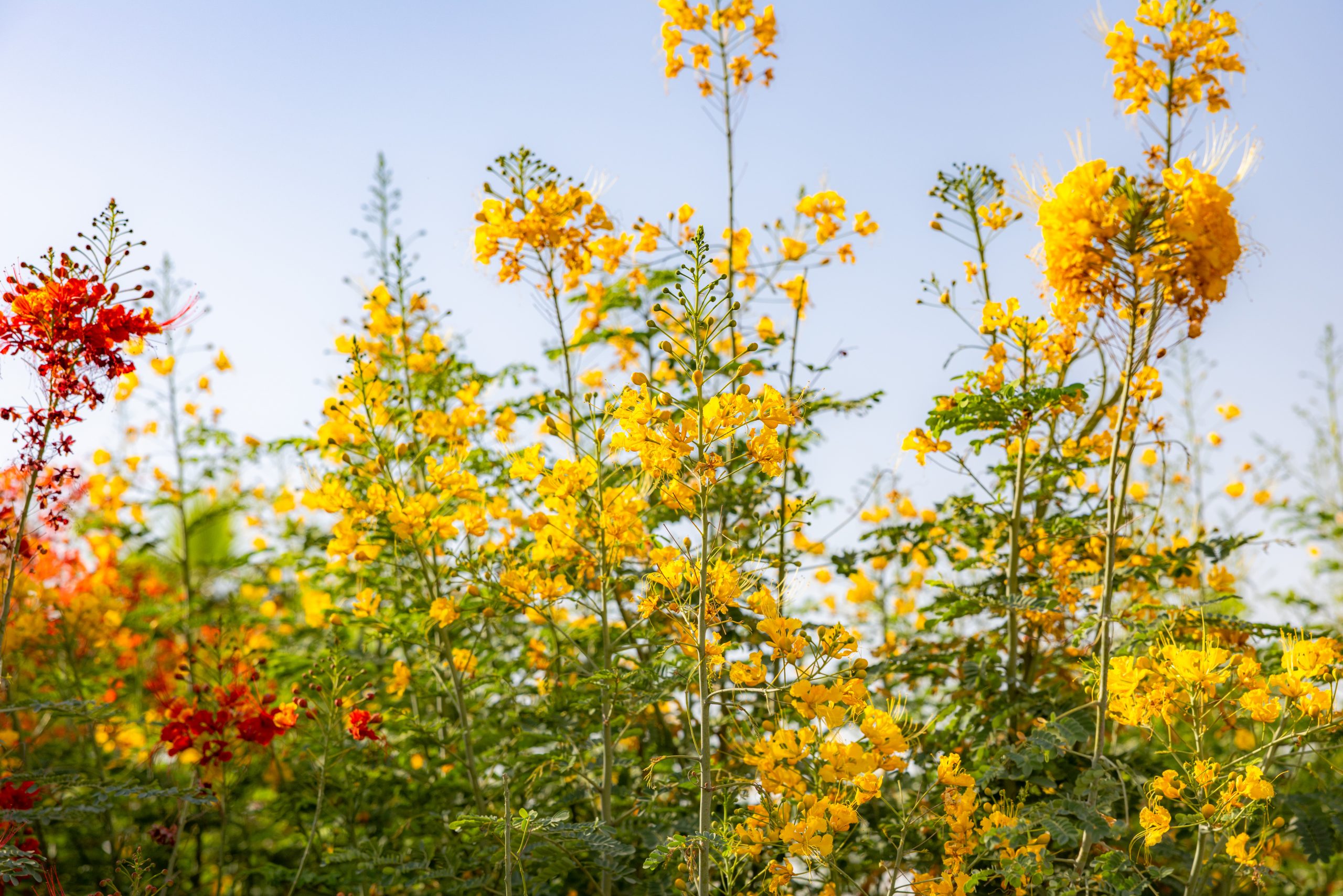
Close-up of Caesalpinia pulcherrima
Color, texture & ecological role Bright red–orange panicles bloom through the hottest months, while its fine, feathery foliage softens the space and brings a light, airy texture to the pathways. Within KFCC’s layered desert plant palette, this vivid shrub provides a striking pop of color without overwhelming the landscape.
Its long flowering season attracts a range ofpollinators such as bees, butterflies and birds, enriching biodiversity and supporting a resilient plant community. Aligned with the project’s ecological philosophy, where diversity strengthens biological stability and improves long-term resilience, C. pulcherrima plays a vital role in the landscape. Well adapted to Riyadh’s arid conditions, it bridges seasonal gaps and sustains ecological activity when other species enter dormancy.
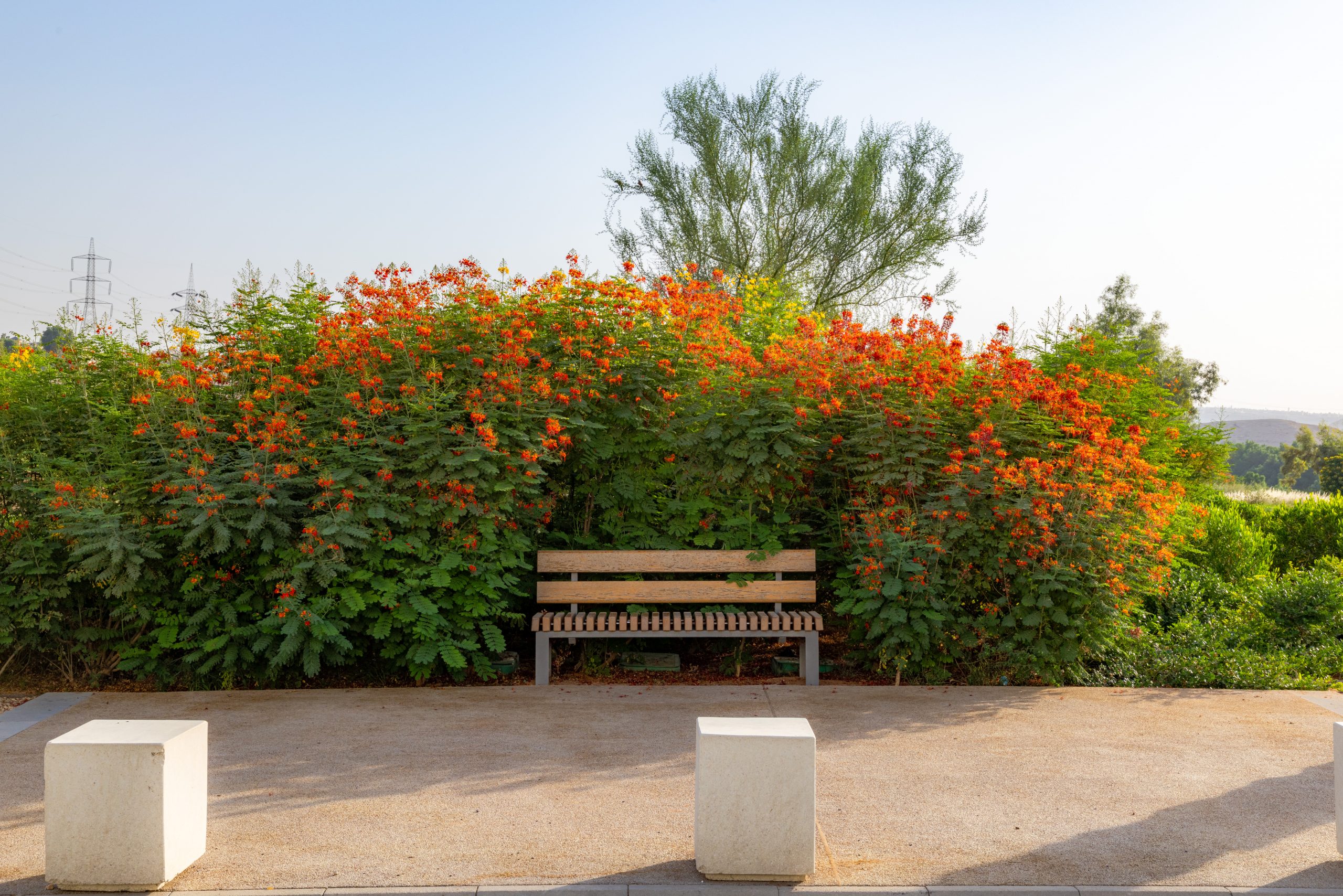
A shaded bench creates a moment of pause and connection with nature within KFCC’s landscape
Diversity as design logic
KFCC’s planting design relies on layered diversity rather than repetition. Variation in species, height, and flowering cycles allows the landscape to self-regulate: deep-rooted trees stabilize soil and create shade, shrubs and perennials cool the surface and provide seasonal color, and flowering species like C. pulcherrima attract insects and maintain ecological continuity. Within this layered desert palette, the plant emerges as a vivid seasonal accent, bringing color and movement to the site throughout Riyadh’s harshest months.
The project reflects a blend of Saudi Arabian cultural identity and international openness, consistent with Vision 2030. The plant palette follows the same logic: species selected from arid and tropical zones worldwide, chosen for climate performance while supporting a locally grounded ecology.
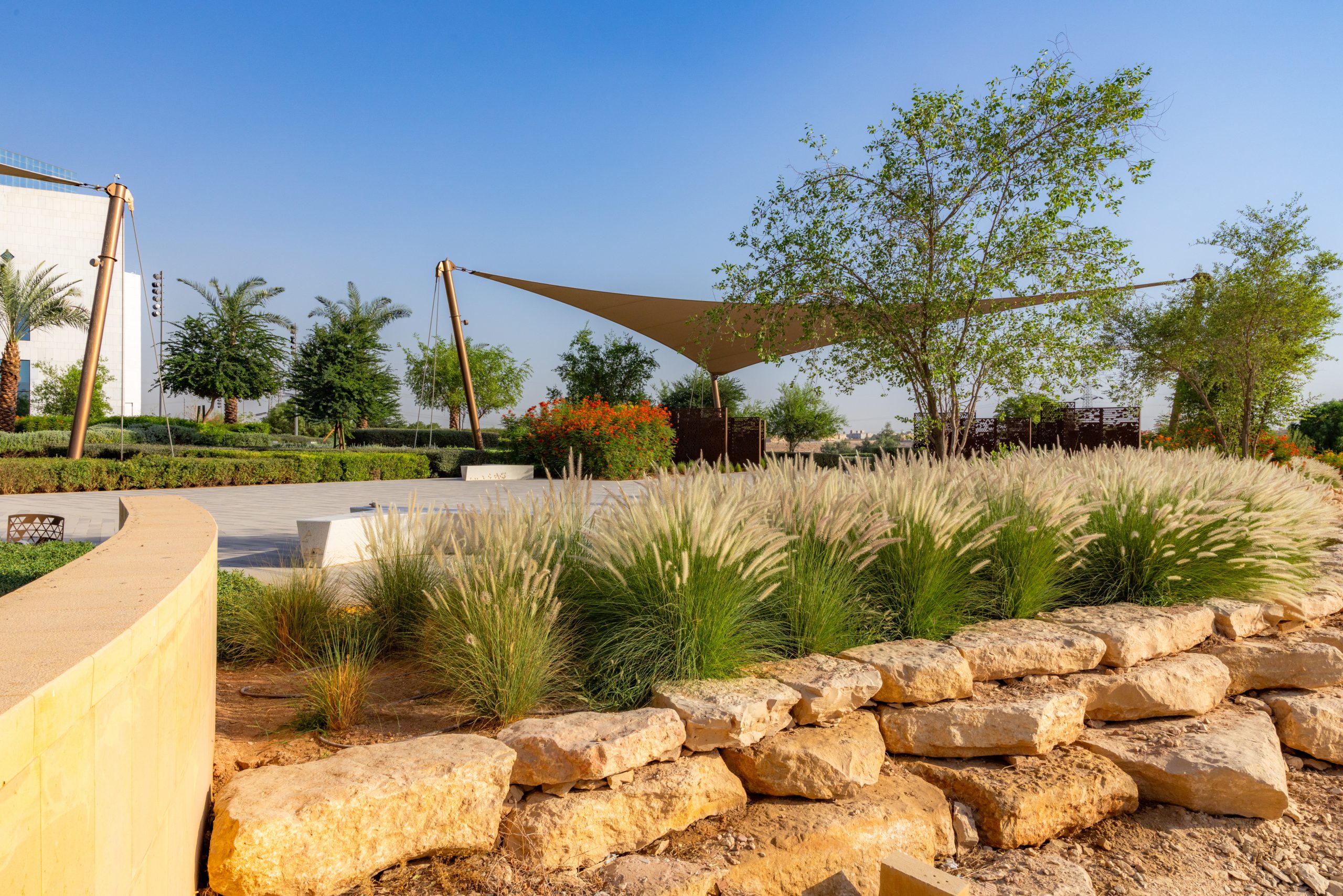
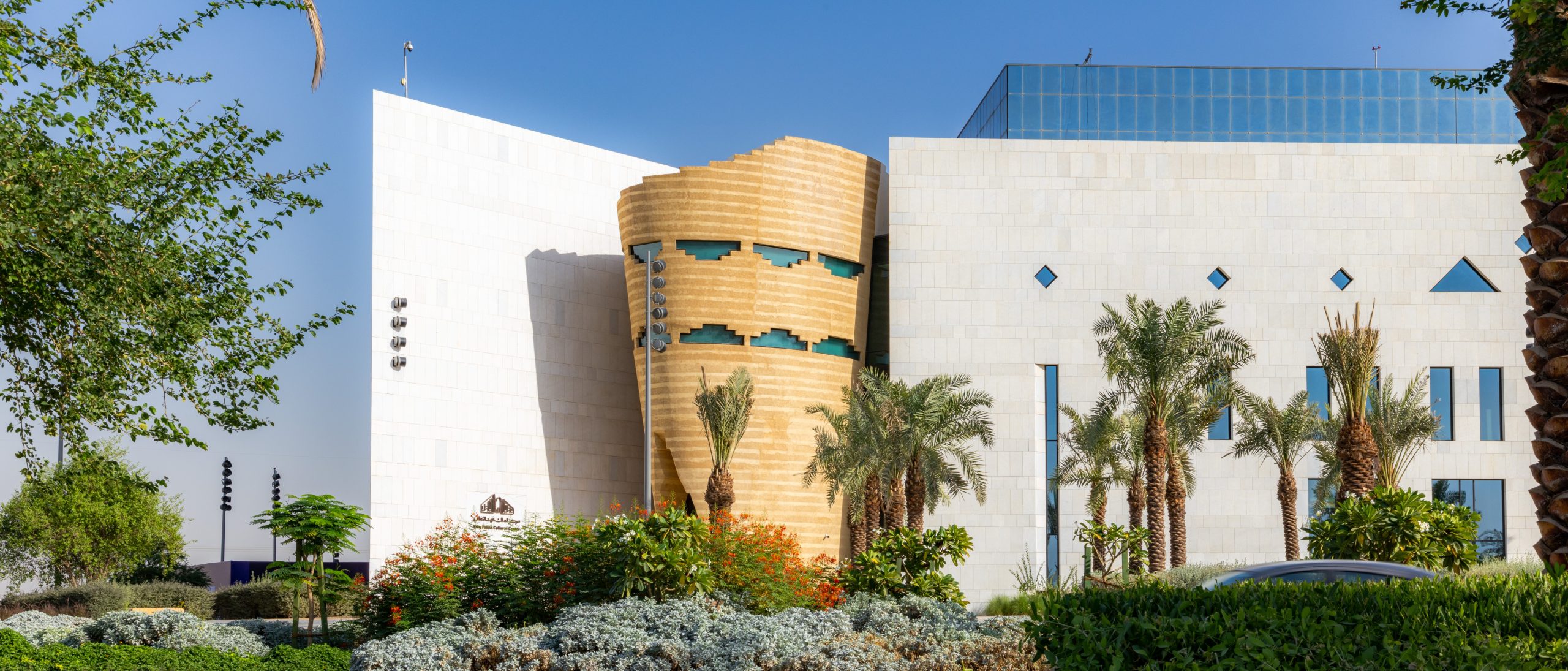
Warm tones in both architecture and planting create a unified landscape identity
Color as Ecology
Color at KFCC is intentional, it connects ecology with identity. Warm tones of red, orange, and gold echo the desert’s light, while muted greens and sandy shades tie the planting to its surroundings.
As the designer noted, “the marriage of building and landscape plays also an important role on how the landscape melts into the natural or urban environment.”
C. pulcherrima, flowering from late spring through autumn, is one of the clearest expressions of that intent, where the color of vegetation and architectureread as a single, coherent landscape.
You are currently viewing a placeholder content from Facebook. To access the actual content, click the button below. Please note that doing so will share data with third-party providers.